Cat Nutrition Myths: What Science Says About Raw Food, Milk, Fish, and Homemade Diets
Cat nutrition myths can distract from what matters: complete nutrition and food safety. Raw food, milk, fish-only meals, and homemade recipes need careful evaluation against your cat’s life stage and health.
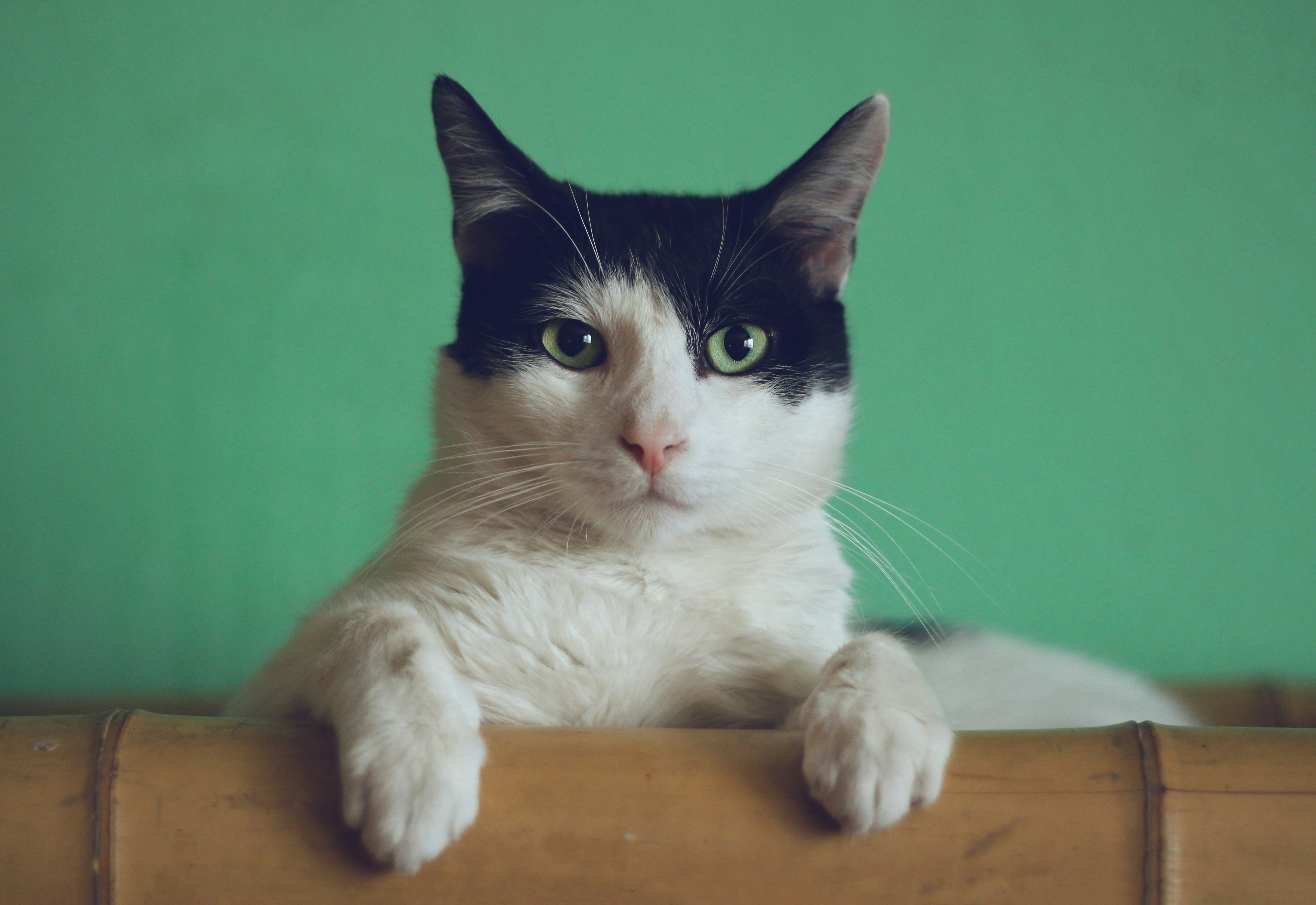
Editorial note: This article provides general educational information and does not replace individual veterinary nutrition advice.
Myth: Cats Can Thrive on the Same Diet as Dogs
Cats are obligate carnivores. That does not mean every meal must consist of raw meat, or that a food containing a plant-derived ingredient is automatically inappropriate. It means cats have specific nutritional needs that must be met, including nutrients that are naturally supplied by animal tissues. Their requirements differ from those of dogs, and swapping foods between species can leave important gaps.
Taurine is a particularly important example: cats need an adequate dietary supply for normal vision, heart function, and other processes. A complete commercial cat food formulated for the appropriate life stage is designed to provide it. A bowl of plain chicken, even though it contains animal protein, is not automatically a complete feline diet. Explore our Cat Nutrition directory for more guidance.
Myth: A Saucer of Milk Is a Healthy Daily Treat
The familiar image of a cat drinking cow’s milk is charming, but many adult cats digest lactose poorly. Milk may cause diarrhea, gas, or abdominal discomfort. It is not a substitute for fresh water, and it is not needed when a cat is eating a complete, balanced diet.
If your cat enjoys an occasional treat, discuss appropriate options with your veterinarian and keep treats a small part of the daily calorie allowance. Avoid assuming that products marketed as “natural” or “for pets” are nutritionally necessary.
Myth: Fish or Tuna Alone Makes a Complete Cat Diet
Fish can be an ingredient in properly formulated cat food, but feeding only tuna or other fish intended for human consumption is not a balanced long-term feeding plan. Such foods may not supply the right proportions of essential nutrients, and some products contain added salt or seasonings. Frequent reliance on a single food can also make it harder to manage a cat’s overall nutritional intake.
The distinction is between a complete cat food that happens to use fish as a protein source and a homemade menu made mostly from canned fish. Read the nutritional adequacy statement, not just the flavor printed on the front of the package.
Myth: Raw Meat Is Always More Natural and Therefore Safer
Raw feeding is often promoted as the closest thing to a wild feline diet. Yet “natural” is not the same as safe or nutritionally complete. Uncooked animal products can contain bacteria and other infectious agents, and homemade raw recipes may lack essential nutrients. Freezing does not reliably eliminate every pathogen.
There is an additional, serious concern: the U.S. Food and Drug Administration has documented H5N1 avian influenza risks associated with uncooked meat and unpasteurized animal products. Cats can develop severe disease following exposure. The FDA’s guidance for cat owners advises avoiding risky uncooked products. Contact a veterinarian promptly if your cat becomes ill after a suspected exposure.
Myth: Grain-Free, Premium, or Human-Grade Automatically Means Better
Ingredient buzzwords cannot establish whether a diet meets a cat’s nutritional needs. Grain-free food is not inherently superior for every cat, and “premium” branding does not replace evidence of nutritional adequacy, manufacturing controls, or qualified formulation. A food allergy should be evaluated with veterinary guidance rather than guessed from an advertising claim.
The WSAVA Global Nutrition Toolkit recommends looking beyond ingredient lists: check the nutritional adequacy statement, life-stage suitability, calorie information, quality controls, and the manufacturer’s access to qualified nutrition expertise.
Myth: Homemade Chicken and Rice Is a Complete Everyday Meal
Home cooking may sound like the most caring option, but a simple combination of meat, rice, and vegetables usually does not provide the full range of vitamins, minerals, essential fatty acids, and amino acids cats need. Supplementing at random can also be harmful; more of a nutrient is not always better.
If a cat needs a home-prepared diet, ask a veterinarian for a recipe formulated by a board-certified veterinary nutrition specialist and follow it precisely. Our Home-Prepared Food category groups relevant feline feeding information, but it cannot replace an individualized clinical plan.
Myth: Dry Food Is Always Bad and Wet Food Is Always Enough
Both wet and dry formats can be appropriate when they are complete, balanced, and suitable for the individual cat. Wet food contributes water to the diet, which can be useful for some cats; dry food may be convenient for portioning and storage. Neither format should be treated as a universal cure or a universal danger.
Cats should always have access to clean, fresh water. Discuss food format and fluid intake with your veterinarian if your cat has urinary tract disease, kidney disease, obesity, or another condition that calls for an individualized feeding plan. Our wet versus dry cat food guide compares practical differences between formats.
Myth: Every Cat Needs Extra Vitamins and Miracle Supplements
A complete, balanced diet normally provides the nutrients a healthy cat requires. Adding taurine, calcium, vitamins, oils, or herbal powders without identifying a specific need may upset nutritional balance or expose the cat to avoidable side effects. Marketing testimonials are not a substitute for controlled evidence.
Before buying a supplement, ask what problem it is meant to solve, whether there is good evidence for the claimed benefit, and whether it interacts with the cat’s diet or medication. Browse Cat Supplements for topic-specific reading.
How to Choose a Diet Without Falling for Marketing Myths
Start with a food labeled complete and balanced for your cat’s life stage, then consider body condition, measured portions, palatability, health history, and any veterinary recommendations. Introduce changes gradually when appropriate, and track appetite, weight, stool quality, and overall wellbeing. A cat that stops eating needs prompt attention. Contact your veterinarian the same day if your cat refuses food, particularly if the cat is overweight, a kitten, elderly, or already ill. Going without adequate food can contribute to hepatic lipidosis (fatty liver disease), a potentially life-threatening condition; do not wait 24–48 hours for appetite to return. Repeated vomiting, marked lethargy, or weakness warrants urgent veterinary care.
For a practical evidence-based framework, use the WSAVA guide to selecting pet food and the Cornell Feline Health Center’s feeding guidance.
Frequently Asked Questions
Can cats eat dog food?
An occasional bite is not the same as a balanced long-term diet. Dog food is not formulated to meet all feline nutritional requirements, so it should not be used as a cat’s regular food.
Is canned tuna safe as a treat?
A small amount of plain tuna may be acceptable for some healthy cats, but it should not replace complete cat food. Check for added salt, oil, and seasonings, and ask your veterinarian if your cat has a medical condition.
Can cats eat tuna every day?
Plain tuna intended for people should not be a cat’s everyday main meal: it is not formulated as a complete feline diet, and products may contain added salt or oil. A complete and balanced cat food with fish as an ingredient is different from feeding canned tuna alone.
What can I feed my cat instead of commercial cat food?
If you want to prepare your cat’s meals at home, ask your veterinarian for a recipe developed by a board-certified veterinary nutrition specialist. A mix of meat, rice, and vegetables—even with added vitamins—is not automatically complete and balanced. Do not make abrupt dietary changes for a cat that is sick or refusing food.
Do indoor cats need special food?
Indoor cats may have different calorie needs depending on activity, age, and body condition, but the “indoor” label alone does not establish that a food is the right choice. Check nutritional adequacy and monitor weight.
Should I add taurine to my cat’s food?
Do not supplement a complete commercial diet without veterinary advice. If you feed a home-prepared diet, its entire nutrient profile—not just taurine—needs professional formulation.
The Evidence-Based Bottom Line
The most reliable feline feeding decisions begin with nutritional adequacy, safe handling, and the needs of the individual cat—not viral claims about raw meat, milk, grain-free labels, or miracle supplements. Ask your veterinary team about significant dietary changes, especially for kittens, pregnant cats, seniors, and cats with medical conditions.
Do you have a dog, too? Canine nutrition has its own popular myths, and advice for cats should not be transferred automatically to dogs. Our canine nutrition myths guide considers those species-specific feeding decisions.
Sources & Further Reading
- Cornell Feline Health Center — Feeding Your Cat
- WSAVA — Guidelines on Selecting Pet Foods
- FDA — FDA Outlines Ways to Reduce Risk of HPAI in Cats
- FDA — Cat and Dog Food Manufacturers Required to Consider H5N1 in Food Safety Plans
- AAHA — Raw Protein Diet