How Horses Returned to North America: The Legacy of the Spanish Caballo
Spanish horses in North America helped shape the history of American horse breeds, from working ranch horses to free-roaming mustangs. Their story also belongs to the Indigenous nations that raised, traded, and cared for horses long before many European accounts recognized their expertise.
Cover image pending: Use an original or properly licensed editorial image showing horses in a historically plausible North American landscape. Label AI-generated illustrations as illustrations, not archival photographs.
When did horses return to North America?
Horses evolved in North America millions of years ago. Native North American horse populations disappeared near the end of the last Ice Age, roughly 10,000 to 11,000 years ago. The ancestors of today's domestic horses survived elsewhere, and Spanish colonial expeditions brought domestic horses back to the Americas beginning in the late 1400s and early 1500s. Horses arrived with Hernán Cortés's expedition to mainland Mexico in 1519, a familiar landmark in the written history of their return.
That history needs an important distinction. Saying horses were reintroduced describes the return of domesticated horses after the extinction of earlier North American horse populations. It does not mean today's mustangs are direct, unchanged survivors of those ancient populations. It also does not reduce North America's horse history to a story of European explorers alone. Research published in Science in 2023 demonstrates a much earlier Indigenous role in the spread and care of horses than traditional colonial timelines suggested.
How did Indigenous nations spread and care for horses?
Indigenous communities were not passive recipients of the horse. They bred, exchanged, trained, transported, and incorporated horses into established cultures and relationships. Archaeological and genetic evidence places domestic horses within Indigenous societies across parts of the northern Rockies and Great Plains by the first half of the 1600s, decades before the Pueblo Revolt of 1680.
Older summaries often describe the 1680 revolt as the decisive event that sent horses north. The revolt remains an important historical event, but it is not a reliable starting date for Indigenous horse cultures across the West. Evidence from sites in places including Wyoming, Kansas, New Mexico, and Idaho changes that picture. The 2023 study combined radiocarbon dating, ancient DNA, isotopes, and archaeological evidence, alongside Indigenous knowledge and collaboration.
Horse relationships were also far more than transportation or warfare. For many Native nations, horses became part of ceremony, exchange, community life, livelihood, and identity. The Smithsonian's National Museum of the American Indian explores these histories in A Song for the Horse Nation. No single narrative can stand in for the different experiences of the Comanche, Lakota, Nez Perce, Cheyenne, and other nations.
Which American horses have Spanish ancestry?
Spanish and other Iberian horses contributed important early bloodlines to horse populations in North America. Genetic research finds strong Iberian affinities among early historic horses studied in the West, with later contributions from British and other horse populations. The resulting American horse world developed through centuries of breeding, movement, work, and cultural exchange.
That does not mean every modern American breed is primarily Spanish, or that coat color alone reveals ancestry. The American Quarter Horse, for example, emerged from several horse populations and breeding traditions, including horses with Spanish and English ancestry. The Appaloosa is closely associated with the breeding history of the Nez Perce, while today's free-roaming mustang herds reflect multiple historical sources.
What are seven important horses of American history?
These seven examples show different ways horses became part of life in the United States. Six are established American breeds; the mustang is included separately as a varied population of free-roaming horses, not as one standardized breed. Each entry summarizes the horse's history and typical activities, not a guarantee about any individual's temperament, health, or suitability.
American Quarter Horse

The American Quarter Horse developed into a versatile American stock horse associated with quick acceleration over short distances, cattle work, and Western riding. The breed's history includes several lines of ancestry, rather than a single Spanish foundation. Its name recalls the short-distance racing in which early horses became known.
Quarter Horses are used for ranch work, trail riding, stock-horse events, and many other disciplines. Some have calm, steady dispositions; others are energetic or highly specialized. Training, soundness, experience, and individual temperament matter more than a breed-wide promise that any horse will be easy for beginners.
Background: Developed in the United States. Common activities: Ranch work, stock-horse sports, trail riding, and sprint racing.
American Paint Horse
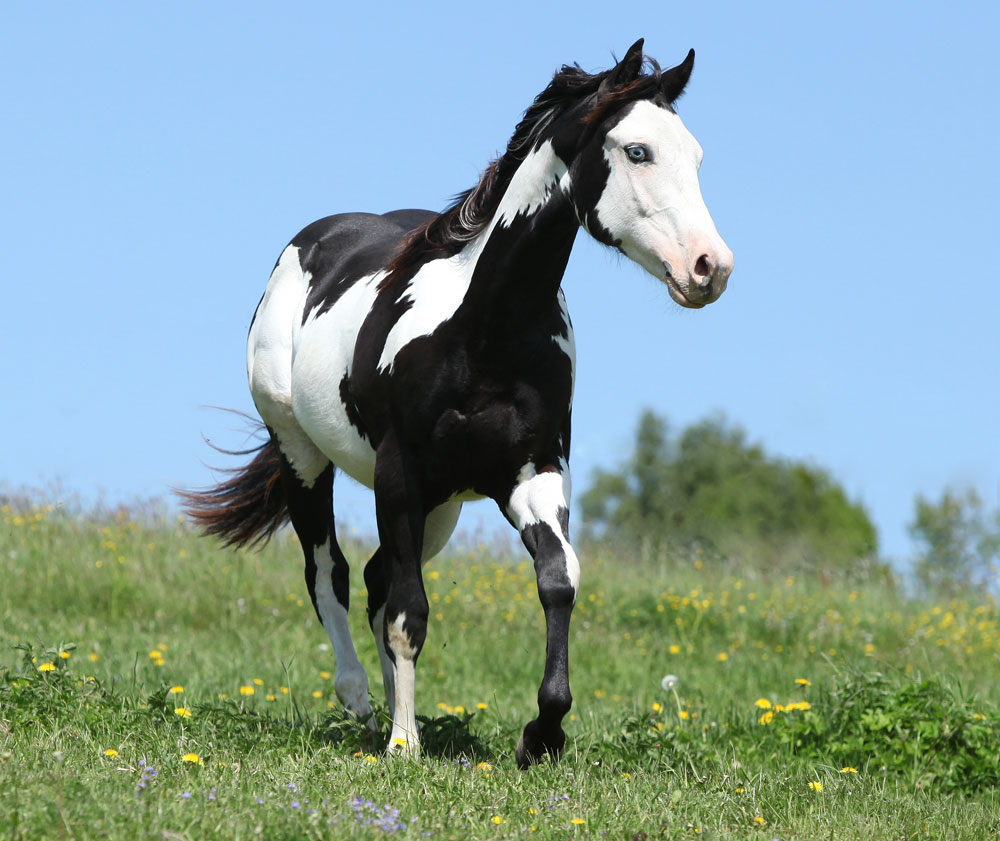
The American Paint Horse combines stock-horse lineage with a registry history strongly associated with distinctive white markings and color patterns. Its bloodlines are connected with Paint, Quarter Horse, and Thoroughbred horses.
Not every registered Paint Horse has a dramatic spotted coat. The American Paint Horse Association recognizes registry categories and eligibility routes that include some solid-colored horses. A pinto coat on its own does not prove that a horse is an APHA-registered Paint.
Background: United States. Common activities: Western riding, ranch work, trail riding, and showing.
Appaloosa

The Appaloosa is often recognized by spotted coat patterns, but its history is more significant than its appearance. Nez Perce horse breeding in the Pacific Northwest helped shape the horses associated with the Palouse region. The upheaval of the 1877 Nez Perce War had devastating consequences for Nez Perce communities and their herds.
Modern Appaloosas may be spotted or minimally marked, and coat pattern should not be treated as a substitute for pedigree or registry information. For historical background, see the Appaloosa Horse Club.
Background: Pacific Northwest, United States. Common activities: Trail riding, Western disciplines, and recreational riding.
Morgan Horse
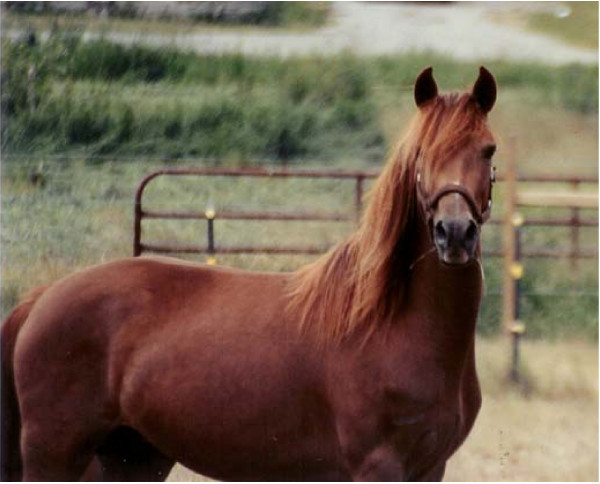
One of the earliest distinctive American breeds, the Morgan traces its foundation to a stallion named Figure, born in 1789 and later known through his owner, Justin Morgan. Figure's descendants became valued for versatility, and Morgan horses filled important roles on farms, roads, and military mounts.
Today's Morgans participate in riding, driving, and varied equestrian sports. Their historical reputation for strength does not replace an evaluation of an individual horse's physical condition or training. The American Morgan Horse Association documents Figure's story.
Background: New England, United States. Common activities: Riding, driving, and showing.
American Mustang

Mustangs are free-roaming horses of varied ancestry, not a single, uniform breed. Many herds descend from horses that escaped or were released over different periods by explorers, ranchers, Indigenous communities, miners, and others. Spanish ancestry is an important part of that story, but not the entire story.
The federal Bureau of Land Management manages protected free-roaming horses on designated public lands under the framework established by the 1971 Wild Free-Roaming Horses and Burros Act. Adopted mustangs can become riding companions, but handling experience, patient training, and appropriate facilities are essential considerations.
Background: Free-roaming populations in the American West. Potential activities after suitable training: Trail and recreational riding.
Tennessee Walking Horse
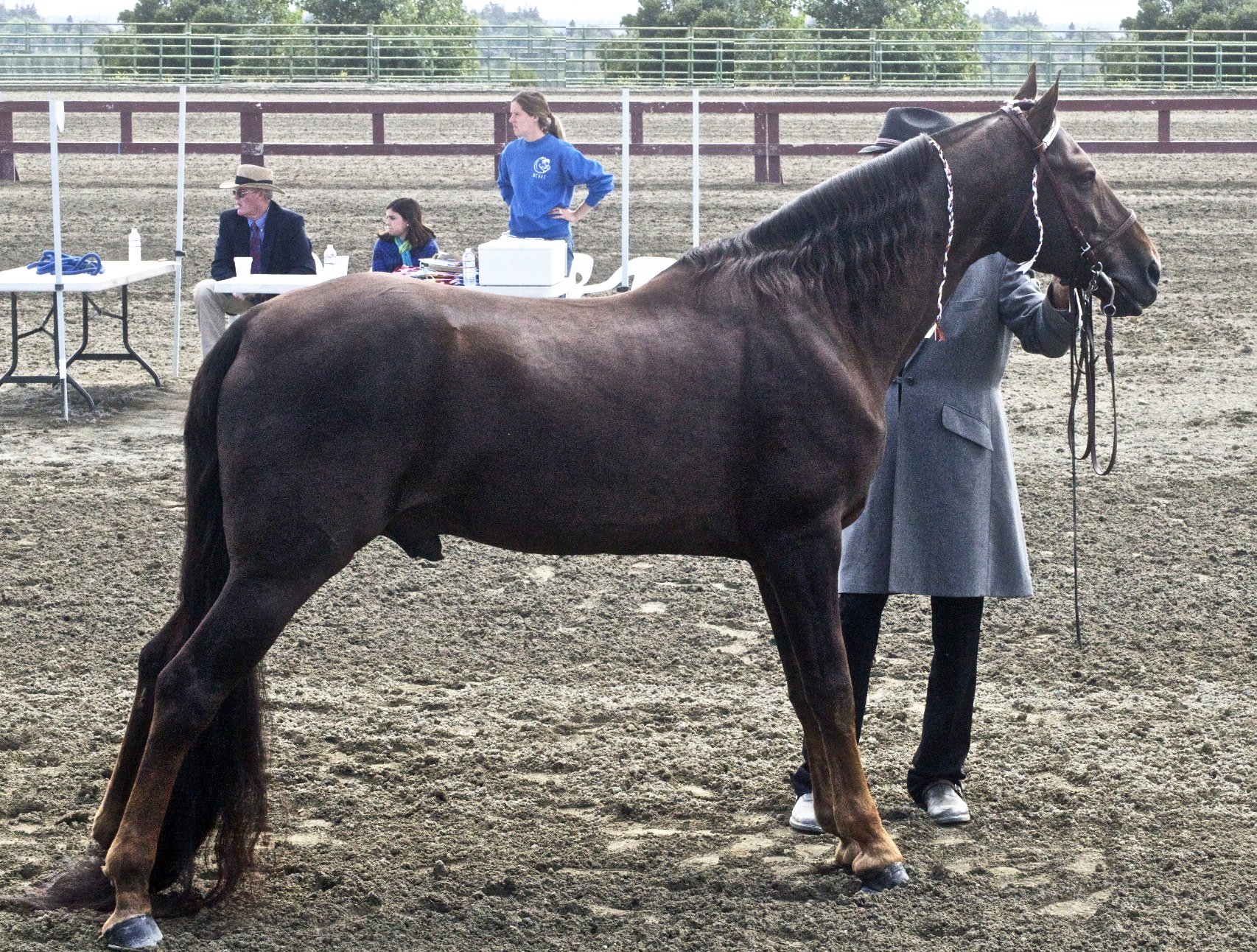
The Tennessee Walking Horse is known for its naturally smooth, four-beat running walk. The breed developed in the American South, where comfortable travel over substantial distances was valued. Many riders appreciate gaited horses for pleasure and trail riding.
Its distinctive movement must never be confused with exaggerated action produced through painful or abusive practices. The use of deliberate pain to alter a horse's gait, known as soring, is a serious welfare issue described in the USDA Horse Protection Act guidance. When choosing a horse, look for humane training and a natural, comfortable way of moving rather than show-ring extremes.
Background: Tennessee and the American South. Common activities: Trail riding, pleasure riding, and gaited disciplines.
American Saddlebred

Developed in the United States and especially associated with Kentucky, the American Saddlebred became known for its expressive movement and versatility as a saddle and driving horse. Its history includes travel, military use, and the development of organized horse shows.
Some Saddlebreds perform three gaits and others are trained for additional gaits. Neither a dramatic show presentation nor a breed label tells you whether an individual horse will suit a particular rider. Sound movement, humane handling, and appropriate training should always come first.
Background: United States, particularly Kentucky. Common activities: Saddle seat, driving, and pleasure riding.
What should prospective horse owners know?
Breed histories can help you understand why a horse was developed, but they cannot tell you everything about the animal in front of you. A horse's age, training, handling history, health, and daily management needs are just as important as its pedigree. A sensible buying or adoption decision starts with the work you want to do, the experience you have, and the time and facilities you can consistently provide.
Before acquiring any horse, arrange an independent veterinary pre-purchase examination when appropriate, assess the horse with a qualified instructor or trainer, and plan for forage, clean water, shelter, regular hoof care, dental care, and veterinary costs. If you're considering a recently adopted mustang or a horse without an established handling history, experienced support matters especially.
There is no universal "best American horse breed" for every family or riding goal. The right match is an individual horse whose welfare needs you can meet and whose training and temperament fit your circumstances.
Frequently asked questions
Did horses originate in North America?
Yes. Horses evolved in North America, although native populations disappeared near the end of the last Ice Age. Today's domestic horses descend from lineages that survived outside North America and arrived again through later human movement.
Did horses spread across the West only after 1680?
No. Archaeological research published in 2023 found evidence that Indigenous communities were already keeping and using domestic horses in parts of the Great Plains and northern Rockies by the first half of the 17th century.
Are American Paint Horses and Appaloosas the same breed?
No. They are distinct registered breeds with different histories and registration standards. Both may show striking coat patterns, but color alone does not determine a horse's breed.
Are mustangs a breed?
Not in the same sense as registered breeds such as the Morgan or American Quarter Horse. The word generally refers to free-roaming horses, which can have diverse ancestry and physical characteristics.
Do all American Quarter Horses have Spanish ancestry?
Spanish-derived horses contributed to the broader historical foundation of American stock horses. But the ancestry of a particular modern Quarter Horse depends on its pedigree; a sweeping claim about every individual's genetic proportions would be misleading.
Sources & further reading
- Taylor, W. T. T., et al. (2023). Early dispersal of domestic horses into the Great Plains and northern Rockies. Science, 379(6639), 1316–1323. doi:10.1126/science.adc9691.
- Smithsonian National Museum of the American Indian. A Song for the Horse Nation: Horses in Native American Cultures.
- Smithsonian Magazine. When Did Humans Domesticate the Horse? Background on equine evolution and North American extinction.
- American Paint Horse Association. Understanding Breed Characteristics of American Paint Horses.
- Appaloosa Horse Club. Who We Are: Our History.
- American Morgan Horse Association. Origin of the Morgan Horse.
- USDA Animal and Plant Health Inspection Service. Horse Protection Act: Soring and horse welfare.
- American Saddlebred Horse and Breeders Association. Breed History.
- U.S. Bureau of Land Management. About Wild Horses and Burros and Program History.